
TAAF Case Studies
Over 250 new graduates have benefited from TAAF awards in the 30 years since the fund was established. They have worked on natural resource development in 40 different countries of Africa, Asia, Central and South America, Caribbean and South Pacific. A significant proportion have successfully made the transition to long term careers in development.
The case studies linked to below are a sample of recently returned awardees, describing how their initial overseas experience, assisted by TAAF, helped to launch them on their current careers.
Sara Pastina: Climate Resilient Agroforestry in Quilombola Home-gardens of the Brazilian Amazon
In 2025 TAAF provided Sara Pastina with a grant to carry out her dissertation in Brazil as part of her MSc in Biodiversity, Conservation & Management at the University of Oxford.
This research aimed to explore the climate resilience of home-garden agroforestry within the Vila União/Campina quilombola community in Northern Brazil, focusing on a transdisciplinary collaboration between academic researchers and local community members. By combining ethnographic fieldwork with a scoping literature review, the study examined how resilience is understood and enacted in this Afro-descendent community, highlighting plural and intersecting dimensions spanning economic autonomy, women’s empowerment, territorial struggles, political mobilization, and agroecological management. Rather than framing resilience solely through ecological metrics, the findings emphasize resilience as relational practices embedded in heritage, culture, and ongoing community- led initiatives, proposing a shift from conventional action-research towards “research returns”— a methodological approach for transdisciplinary research that prioritizes actionable outcomes and
meaningful returns to the community.
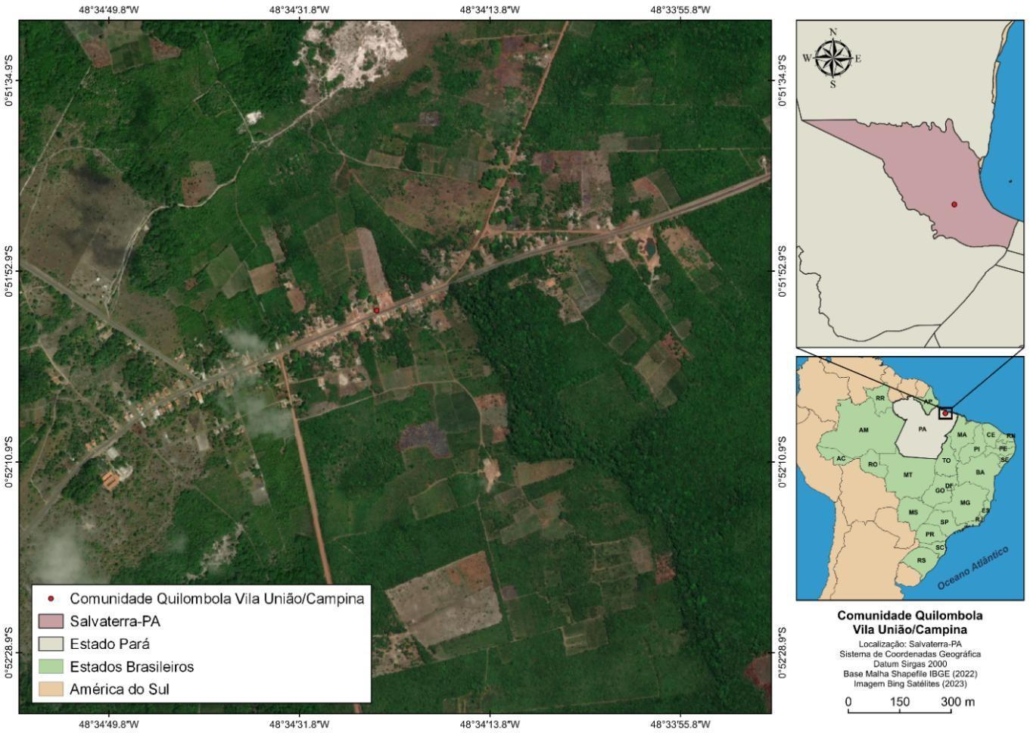
Figure 1 – Location map including aerial photograph
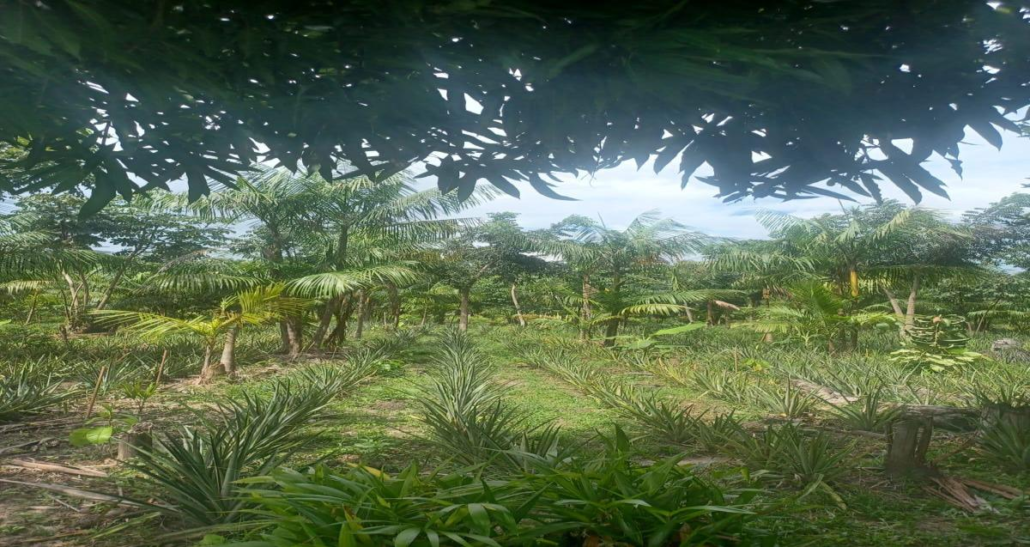
Figure 2 – Pineapple and açai agroforestry plot of participants Ronildo and Camila
The research process reinforced the vital importance of participatory, decolonial, and flexible methodologies in fostering equitable knowledge co-production, where community voices and expertise are central. For the Vila União/Campina community, the research made apparent existing resilience practices and supported ongoing political and agroecological efforts, while highlighting the need for tangible, beneficial returns from external academic collaborations. Personally, this immersive, ethnographic engagement deeply transformed my understanding of resilience, challenging me to view it as a dynamic, socially embedded process entwined with sovereignty and identity. This experience has reshaped my approach to research and collaboration, fostering a commitment to culturally grounded, community-centred development that honours food sovereignty as inseparable from broader processes of self-determination.
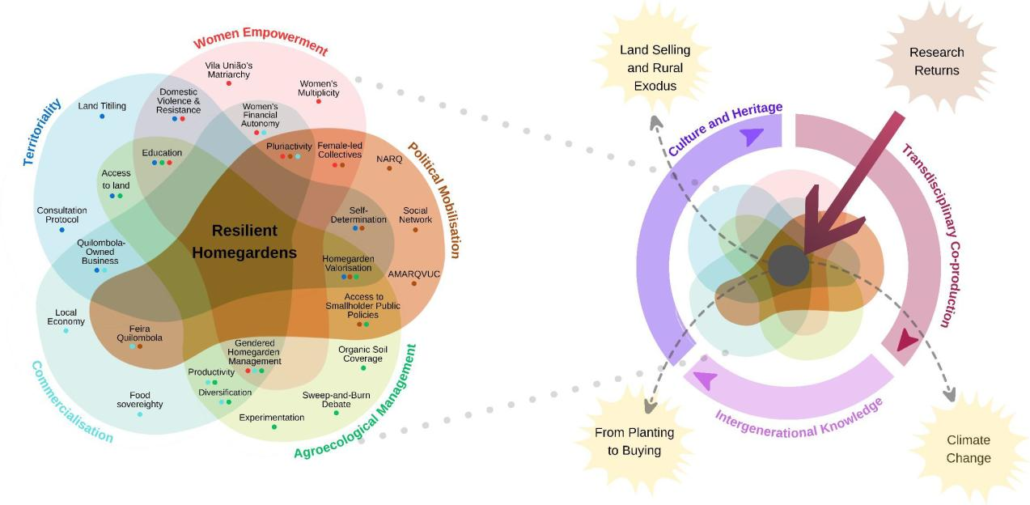
Figure 3 – Illustrative diagram of home-garden resilience and its interconnected components, emerged from ethnographic engagement with the Vila União/Campina quilombola community and the transdisciplinary objectives of the Resilience Project. On the left, a five-looped Venn diagram depicts the key dimensions of resilience – women empowerment, political mobilisation, agroecological management, commercialisation and territoriality and their interactions, represented by overlapping shapes and coloured dots. This graphic is adapted from West et al. (2024)’s diagram of relational approaches to sustainability science. On the right, resilient home-gardens and their relational facets are situated within the cyclical loop of culture, heritage and intergenerational knowledge transfer, and transdisciplinary (TD) co-production. Dotted grey arrows indicate the linear disruptions to relational and cyclical resilience caused by three main ruptures: rural exodus and de-territorialisation through land sales, the shift from home-garden cultivation to the purchasing of external produce due to external commercial influences, and climate change. The red arrow highlights ‘research returns’ as a methodological intervention that actively engages TD co-production to reinforce home-garden resilience.
For my own career, this research was truly transformative. Coming from a primarily ecological background, it was my first opportunity to deeply engage with qualitative methods and immerse myself ethnographically within a community—researching with them rather than about them. This experience disrupted conventional binaries of ‘developing’ nations and ‘traditional’ populations, revealing the complexities and contradictions inherent in these categories through a decolonial lens. Most importantly, it strengthened my conviction that food sovereignty is fundamentally intertwined with people’s sovereignty — whatever forms that may take—reshaping how I approach research, collaboration, and .development moving forward.
Matthew Smith: A mixed methods study into whether beekeeping can be used as an economic livelihood strategy to improve food security in the Chimanimani National Park buffer zone, Mozambique
In 2025, TAAF provided a grant to Matthew Smith to allow him to carry out a research project in Mozambique as part of his dissertation for an MA in International Development at the University of Sheffield. Matthew spent 3.5 months in Mozambique working with the NGO Micaia in the Chimanimani National Park Buffer Zone in Manica Province.
Mozambique faces severe food security challenges, particularly in rural areas where smallholder farming predominates. Smallholder farmers rely on their own agriculture for food, leading to limited dietary diversity and increased vulnerability. Coping mechanisms include receiving money from relatives and taking on additional work, which can be unreliable and unsafe.
Beekeeping is proposed as a sustainable alternative to improve livelihoods and food security, through the sale of honey. It is inexpensive to set up and does not compete with other agricultural activities. Beekeeping also contributes to ecosystem health through providing pollination services.
Micaia NGO has been supporting communities through beekeeping for many years and the honey produced is sold through their company, the Mozambique Honey Company (MHC).
The research study
Addressing the assumption that that beekeeping is an effective way of increasing income, this study aimed to understand the impact that diversifying economic livelihoods through Micaia’s beekeeping project has on food security. The study was conducted in the Chimanimani National Park Buffer Zone (CNPBZ) in Mozambique, focusing on two locations (see map -Fig 1):
- Mpunga (four communities)
- Musappa (one community)
A mixed methods approach combined surveys and semi-structured interviews to assess food security outcomes. 82 surveys and 20 interviews were completed, with a focus on demographic characteristics, food security outcomes, and barriers to beekeeping.
Statistical analysis revealed significant differences in food security outcomes between beekeepers and non-beekeepers:
- Beekeepers were less likely to frequently experience food insecurity indicators such as running out of food and being hungry but not eating.
- 95.1% of surveyed beekeepers reported increased income from beekeeping, which was used to buy food and improve living conditions.
However, despite the benefits, challenges remain that limit the effectiveness of beekeeping in improving food security. This includes the fact that no significant differences were found between beekeepers and non-beekeepers in six of the eight food security indicators used in the study. Furthermore, the study revealed that factors such as cattle ownership and education levels were more influential than bee keeping in reducing food insecurity. Participants in the study noted that the additional income from beekeeping was spent in various areas, including on school fees and home improvements.
This study has therefore revealed that although the benefits were not always observed in terms of increased food security, beekeeping is facilitating general livelihood improvements, and doing so in a way that protects the environment
In conducting the study, Matthew gained valuable insights into community perspectives on beekeeping and its benefits, both in terms of food security as well as income generation. Collaboration with Micaia staff provided practical experience in the international development sector and allowed Matthew to develop various skills that will benefit him as he begins to pursue his future career.

Figure 1: A map identifying the study locations within the CNPBZ, Mozambique

Figure 2: Conducting Research in Mucuawaio (17/7/2025)

Figure 3: A typical beekeeping setup in the CNPBZ, taken in Mutowe (15/7/2025)

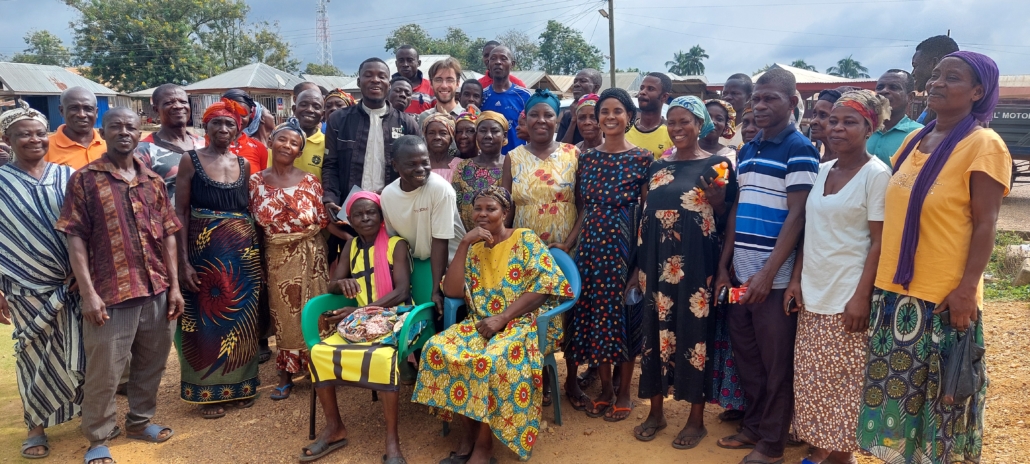
Figure 4: A group of participants after research in Mutowe (15/7/2025)
Jacobus Petersen – Adopting agroforestry: designing metrics to support the uptake of cocoa agroforestry in the Ashanti region in Ghana
In 2024, TAAF supported Jacobus Petersen to go to Ghana for 6 weeks to carry out research into sustainable agricultural development in the cocoa sector. This research project was part of his MSc in Biodiversity, Conservation and Management at the University of Oxford and project was carried out through the Nature-based Solutions Initiative of the University of Oxford, in collaboration with the Kwame Nkrumah University of Science and Technology (KNUST). Jacobus’s fieldwork took place in Kumasi and support was provided by KNUST and the cocoa trading company ETG | Beyond Beans, who accommodated Jacobus in the farmer communities of Tebeso and Anyanso.
Many programmes that support the sustainable adoption of agroforestry in cocoa systems fail to reach their target of adoption by farmers. The key question that Jacobus aimed to answer was: what drives the adoption of agroforestry and what conditions can programme designers and implementers change to improve it? The project focused specifically on communication about which shade trees to include in cocoa cultivation, and the ideal composition of agroforestry.
With a mixed-methods approach (interviews, surveys and focus groups), metrics were created to describe the dynamics of cocoa agroforestry adoptions at the farmer decision-making level. These metrics covered material conditions, but also the ‘soft’ side of adoption, including the variability in perceptions farmers have based on gender, education, and personal experience. They showed that certain concepts, such as climate change, are effective motivators for the increase of shade levels, but there is a lack of narrative for other ecosystem services that agroforestry can support, including protection against pests and diseases. They furthermore showed that farmers have significantly different perceptions of the benefits of including of shade trees into their farms. This could be used to create selections of shade tree species and/or agroforestry configurations that are more tailored to farm-level needs.
Through the study, Jacobus hoped to represent some of the benefits and the (inevitable) shortcomings of agroforestry experienced by the communities in the Ashanti region (around 1.5 hours southeast of Kumasi). He also hoped that the study would reflect the invaluable role of the enthusiastic and well-trained field officers with whom he worked.
This research was conducted in the setting of a wider programme at Oxford, and the results will feed into a workstream that engages commodity chain actors around the world, including those in the Ashanti region. For Jacobus, the opportunity to see these projects on the ground was a formative experience, which has left him wanting to do more work with agricultural development projects in the future.
Based on his MSc research, Jacobus submitted a manuscript to the Journal of Agricultural Education and Extension (special issue) with the draft title: “Supporting the adoption of cocoa agroforestry in Ghana: a user-centred transdisciplinary approach for the development of shade tree species and system configuration metrics”.
Kelsey Monteith: Trojan Horses: examining the material and discursive dimensions and implications of hybridisation on Mongolian horse racing
Kelsey Monteith was awarded a TAAF MSc grant to undertake research in 2024 as part of her Masters in Nature, Society and Environmental Governance at the University of Oxford. Kelsey spent three months in Mongolia living with traditional horse trainers, investigating the impact on native horse breeds of the importation of Western stallions for breeding purposes.
Horses are central to Mongolian national identity and provide a vital source of income. They are used to herd other livestock, and as a source of food themselves during winter months. Alongside their role within pastoral food systems, horses are also central to the cultural practice of horse racing, and the breeding of Mongolian (race)horses is a parallel practice associated with Mongolian pastoralism and food systems.
The study took place in Khuld Sum, Dundgobvi Province (see map) and revealed how Mongolian horse trainers are increasingly exposed to Western horse racing practices, often through social media sites such as Facebook. As a result, they are introducing and breeding non-Mongolian stallions with Mongolian mares and are entering the hybrid off-spring into so-called Mongolian horse races. The speed of these horses increases the chance of financial and societal success at Naadams (traditional horse racing festivals). However, these hybrids are not only altering the practice of horse racing but are also indirectly contributing to the shifting role of horses within pastoral food systems. Hybrid horses are not used for the traditional purpose of herding livestock, and are often taller but skinnier, and so do not offer the same consumption benefits as their Mongolian counterparts. They also require the provision of shelter and additional feed and medication, unlike local breeds which are characterised by resilience and hardiness – key qualities underpinning the viability and sustainability of these pastoral systems.
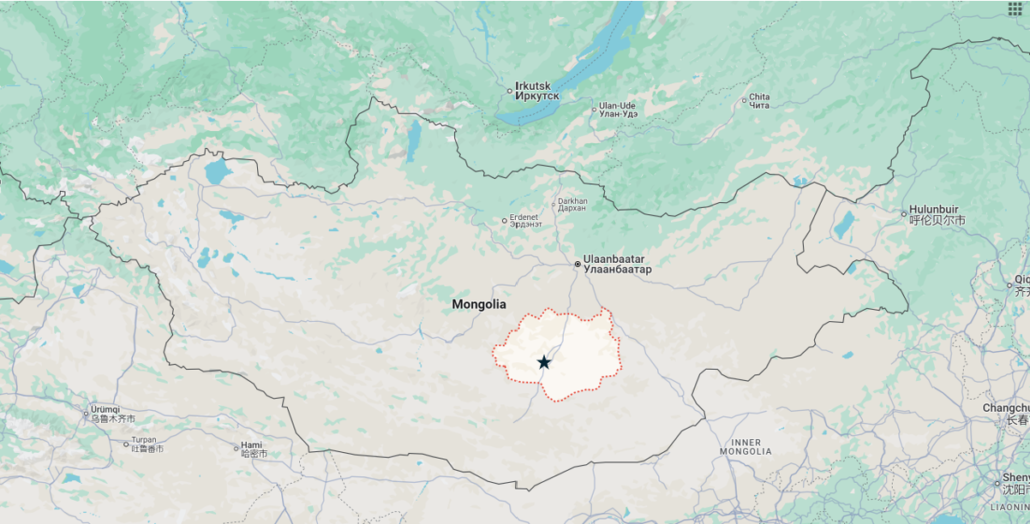
A map detailing the location of Khuld sum

Furthermore, success in horse racing can bring significant financial reward, resulting in a shift away from traditional pastoralist lifestyles and the creation of a horse training / racing ‘elite’.
The move away from pastoralism towards a more sedentary lifestyle is also being supported by government policies that encourage the importation of Western cattle breeds. These are believed to produce more and better-quality meat but, being less able to withstand the rigors of a Mongolian winter, require housing and supplementary feeding.

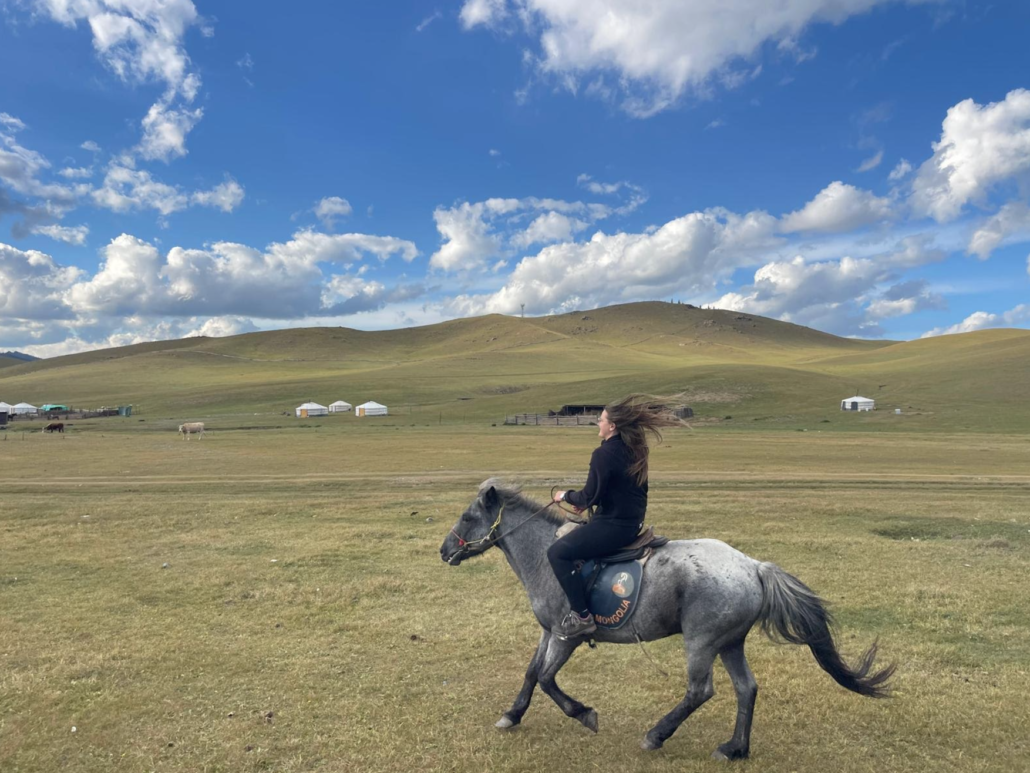
The study was carried out with support from the Mongolian NGO Steps without Borders and formed the basis of Kelsey’s MSc dissertation. Having successfully completed her MSc, Kelsey is now pursuing a PhD at the University of Oxford.
Joseph Hamm: Can performance payments deliver good carnivore conservation and conservation for good? A case study in Ruaha, Tanzania.
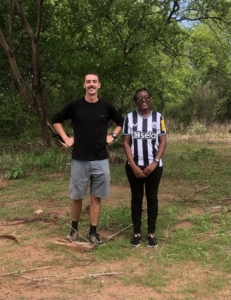
Joseph with friend and co-author Rose
Mawenya (University of Dodoma)
Joseph Hamm was awarded a TAAF Standard Award to undertake research between 2023 and 2024 as part of his PhD in Conservation Science at the University of Leeds. His research was carried out in collaboration with researchers from the University of Dodoma, Tanzania.
Joseph’s research explored the effectiveness and equitability of conservation performance payment schemes (CPPs), which are results-based payments to communities to encourage large carnivore conservation. CPPs are tied to the presence or abundance of certain large carnivore species in selected areas. Joseph investigated how certain design choices (collective sanctions, expenditure patterns, and the adoption of a relative performance payment system) influenced the relationship between the effectiveness and equitability of a CPP.
The study took place in Ruaha in Tanzania (see map), which is home to around 10% of the world’s remaining wild lions, living alongside a local human population of pastoralist livestock herders. Livestock loss to lions results in a situation where lions are killed, often indiscriminately with poison and snares. For the study, thirteen villages which already participate in two CPPs operated by Lion Landscapes (a conservation NGO based out of the University of Oxford) were selected. In both schemes, participating villages are each provided with three camera-traps, and they receive payments based on how much wildlife is pictured over three-month periods but the way payments were determined differed between the two schemes. The results of the research indicated that the design of the scheme had an impact on its effectiveness and equitability: for example the choice to partially delegate decisions on expenditure had a positive impact on the scheme’s effectiveness (through increased legitimacy and local political support), but at the expense of its equitability (corruption and elite capture). This research was the first to highlight that the design of a CPP has significant implications for its equitability and perceived effectiveness, and that these goals may sometimes be put at odds.

Joseph concluded that whilst it is clear that CPPs represent a mechanism by which to redistribute the uneven costs and benefits of living alongside large carnivores, if they are inequitable at a local level they risk imposing a conservation which lacks legitimacy, erodes autonomy, and contributes to the very conflicts it seeks to address.
The research supported by the TAAF award has allowed Joseph to prepare two scientific papers for journal submission. Building directly on this research, Joseph is currently on an Overseas Institutional Visit funded by the ESRC, spending 3 months in Montana (US) to design a conservation performance payment for grizzly bears on ranchlands, on behalf of a local NGO.

A lion extension officer on a snare sweep

A boma (livestock enclosure) made of acacia branches
Alice Forster: Uganda, An Exploration of the Socio-cultural factors in Mobile Technology Uptake and use amongst Small-Scale Farmers in Western Uganda.

Alice interviewing a farmer.
In 2023 Alice Forster of the Royal Agricultural University, undertook research with the social enterprise, KEIPhone in several western Ugandan districts. Agriculture is widely regarded as the development engine for countries such as Uganda where 77% of the population relies on the small-scale agricultural sector. Despite this, Uganda still has a high prevalence of hunger and food insecurity. The introduction of ICT and mobile phones is seen as a potential silver bullet by many institutions, donors, and commercial entities with its potential to increase access to information and improve efficiencies of time, agricultural development, and yield productivity. The benefits of mobile technology are well documented as is the economic barrier of access. However, socio-cultural factors are not sufficiently understood, particularly in western Uganda. The aim of the research was to use a socio-cultural lens to examine existing barriers and to develop a more nuanced and contextually specific understanding of mobile phone usage in small-scale agriculture in that region.
The main research method was primary interviews. The hoped for outcome was to make companies, NGOs, and government extension services aware of the findings in order that they could more effectively design training and support to farmers.
The study found that central to much of the socio-cultural barriers was the demographic makeup of small-scale farmers. They are predominantly middle-aged and older women, since farming is not appealing to the young. This contrasts with the demographic divide in mobile phone usage where digital literacy is most prevalent in young men. In addition, men assumed priority in households for smartphone ownership. There is insufficient government and societal support for phone usage in general and for small scale farmers in particular. Research-based applications are a key benefit for farmers, however a system of education that does not support enquiry and research-based thinking carries through to how, and to what extent, mobile phones are used for information access to full capacity. Language and literacy barriers exist too with limited content specifically produced in local dialects and geared to small scale farmers themselves. These farmers owing to their limited digital literacy, could show both a lack of trust (dependent on perceptions of the information source) or develop a misplaced trust (e.g. from advertisements for products shared via messaging Apps).
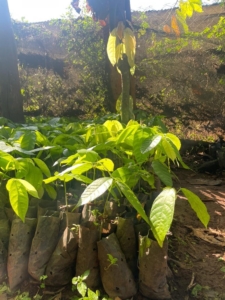
Cocoa saplings.
This new venture was decided after farmers got information about the potential cash crop via their phone. The first saplings were lost due to false information via WhatsApp but a second attempt was being made.
A further finding was the rate of change and integration of new technology into farm life proved overwhelming for some.
Alice concluded that it is not simply a case of these farmers not having the knowledge, but instead there are a range of reasons influencing why they do not have this knowledge, why they cannot access this knowledge and why they are unable to implement it successfully. Therefore, in the western Ugandan context, significantly more attention and support need to be given to slowly integrating this technology into small scale agricultural practice together with training farmers to realise the benefits of mobile phone technology, with face-to-face training playing a key part.
The TAAF award allowed Alice to interview in person and see the realities and nuances of the topic but also increased her experience with conducting field work, particularly in a developing country context where she plans to spend much of her future career.
Caleb Bram: Investigating the synergies and trade-offs between environmental and socio-economic outcomes for coffee agroforestry systems in the Central Highlands of Vietnam.
Caleb Bram, from the University of Oxford, travelled to the Central Highlands of Vietnam in 2023 to investigate the trade-offs and synergies between environmental and socio-economic outcomes in coffee agroforestry systems. Vietnam is the world’s second largest coffee producer, and the Central Highlands is the powerhouse of its production. However, coffee production in this region is threatened by a rapidly warming climate, water shortages, soil degradation, and increased pest and disease prevalence. Many of these issues are linked to the expansion of high-input, unshaded (full-sun) coffee monocultures in the region. Coffee agroforestry systems, characterised by coffee grown under shade, provide a range of ecological benefits that may help to address these issues while securing the livelihoods of coffee farmers. Despite this, monocultures have remained dominant due to the notion that there are unavoidable trade-offs between environmental benefits and socio-economic benefits for farmers in shaded coffee systems.
Using an interdisciplinary approach, Caleb combined both ecological experiments with household surveys to compare the performance of full-sun coffee monocultures against two shaded coffee agroforestry systems in Vietnam – Coffee-pepper intercropping, and fruit-based coffee agroforestry. The research demonstrated that the shaded coffee systems are a promising pathway to both climate mitigation and adaptation in the Central Highlands, as these systems sequestered significantly more carbon compared to monocultures and facilitated more favourable microclimate conditions (air temperature and relative humidity) for coffee plants during the intense dry season. Meanwhile, increases in water-use efficiency, or coffee per litre of irrigation water, did not trade-off against coffee productivity, indicating the potential for significant reduction in irrigation rates while still maintaining competitive coffee yields. These ecological benefits did not trade-off against socio-economic performance and, compared to monocultures, the shaded coffee systems were found to be more productive, generated higher profits, and provided greater economic resilience to farmers during periods of low coffee prices.
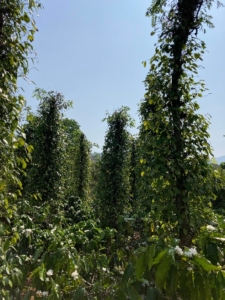
Coffee-pepper intercropping system in
Dak Lak province, Vietnam
Using an interdisciplinary approach, Caleb combined both ecological experiments with household surveys to compare the performance of full-sun coffee monocultures against two shaded coffee agroforestry systems in Vietnam – Coffee-pepper intercropping, and fruit-based coffee agroforestry. The research demonstrated that the shaded coffee systems are a promising pathway to both climate mitigation and adaptation in the Central Highlands, as these systems sequestered significantly more carbon compared to monocultures and facilitated more favourable microclimate conditions (air temperature and relative humidity) for coffee plants during the intense dry season. Meanwhile, increases in water-use efficiency, or coffee per litre of irrigation water, did not trade-off against coffee productivity, indicating the potential for significant reduction in irrigation rates while still maintaining competitive coffee yields.
These ecological benefits did not trade-off against socio-economic performance and, compared to monocultures, the shaded coffee systems were found to be more productive, generated higher profits, and provided greater economic resilience to farmers during periods of low coffee prices.
The project and its findings have provided new insights into the viability of coffee agroforestry as a Nature-based solution to meet the needs of both people and planet. The data may help to develop agroforestry policies and initiatives for farmers that are both locally relevant and context-specific to account for the complexities of coffee production in the Central Highlands. Exploring the landscapes of the Central Highlands while working with academic institutions, NGOs, local government and many inspiring coffee farmers was an invaluable experience for Caleb. Caleb felt that this experience has strengthened his skills in both fieldwork and project management, leaving him well-equipped for future projects and a career in sustainable development.
Caleb was awarded the honour of the Tropical Agricultural Association International, Young Development Agriculturalist of the year (UK based) for his innovative research providing key insights into coffee agro-forestry in Vietnam as a nature-based solution.
Zoe Brown: Nigeria. Shade Retention on Cocoa Farms in Ekiti State, and the Implications for Yield, Income, and Biodiversity
In 2023 Zoe Brown, of the University of Oxford, studied the shade retention on cocoa farms in the south-west of the country, known as the ‘cocoa belt’, where 70-80% of the nation’s cocoa is grown.
The ‘boom and bust’ cycles of cocoa production are a prominent driver of deforestation in Ekiti, which has lost over half of its natural forest cover in recent decades. Highly shaded cocoa agroforestry systems hold promise as a solution to align agricultural and forestry goals on cocoa farms.
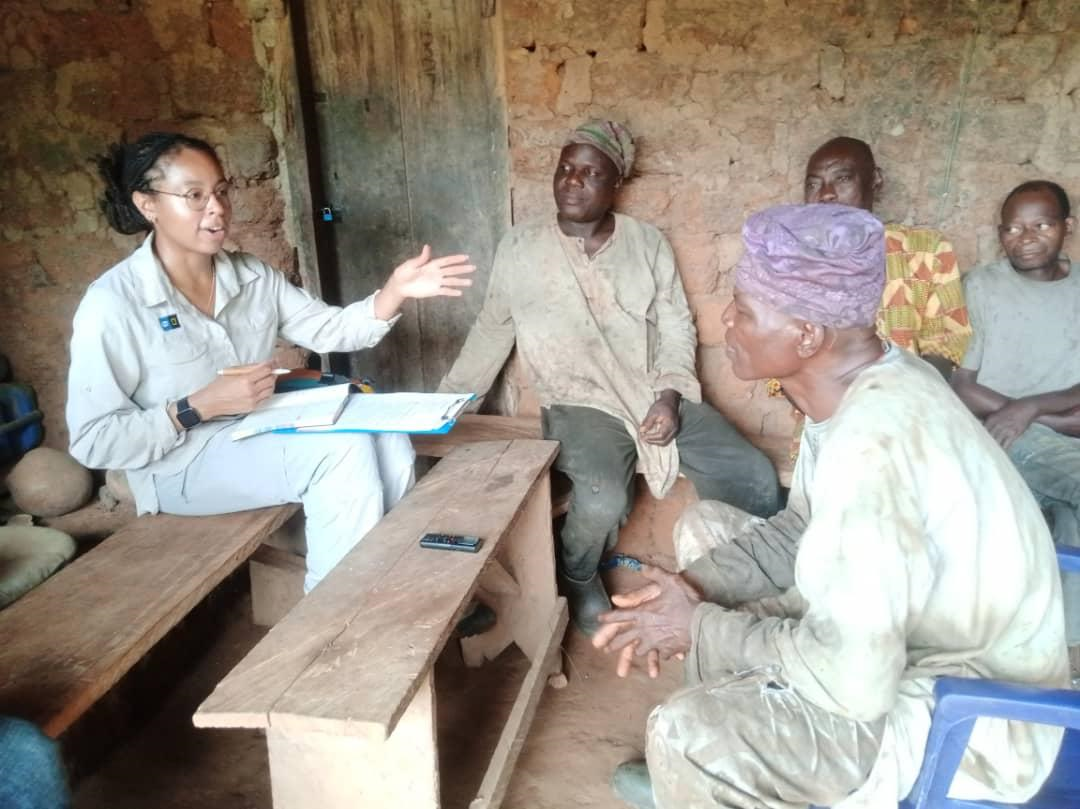
Zoe interviewing cocoa farmers
This study sought to understand how shade retention influences yield, income, and biodiversity on cocoa farms, and investigate the values that drive farmer decision making on shade tree retention. This was done by conducting biodiversity assessments and interviews with farmers across a gradient of shade (i.e., ranging from monocultures to densely shaded agroforests).
The prevailing disincentive against increasing shade density – that it reduces yield – was not supported by her findings. Additionally, increased shade was positively associated with both bird and woody diversity, highlighting the conservation potential of shaded cocoa landscapes. Shade trees were also found to be of high economic importance to cocoa farmers, with timber and non-timber forest products making up significant portions of their overall annual income (up to 70% in some cases). In addition to the financial security they offer, shade trees are valued by farmers for their climate regulation benefits, particularly in protecting young cocoa trees. Increased incidence of disease and damage from falling branches were the primary concerns farmers had in keeping shade trees. The findings of Zoe’s research can be leveraged to incentivize biodiversity-friendly cocoa practice in Ekiti. This may be particularly effective given that monoculture systems are not yet a popular cocoa growing system among cocoa farmers in the State.
Zoe’s study was conducted in partnership with the Ekiti State Forest Commission and the findings will assist in establishing baseline understandings of land use in the State’s forests and guiding future agriculture and forestry policy towards sustainable resource management and improved livelihoods. The research experience and connections gained through this fieldwork were invaluable assets to her future career in particular building her confidence as a researcher. Zoe has now embarked on a PhD looking at nature-based solutions for climate adaptation elsewhere in the world.
Joseph Crellin. Mozambique, A Study on Ecotourism for Conservation
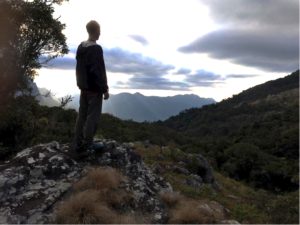
Joseph looking down into the Mussapa Grande valley
from Mount Binga basecamp.
In 2018, TAAF awardee Joseph Crellin of the University of Sheffield undertook a study to evaluate the perceptions of ecotourism in the Chimanimani Transfrontier Conservation Area (TFCA), Mozambique, in partnership with the MICAIA Foundation. Ecotourism is generally suggested as a win-win conservation development strategy with both environmental and social benefits. As such, the Government of Mozambique and major international donors consider ecotourism to be a fundamental strategy in large-scale development plans for this area of great ecological and cultural significance.
During a nine-week placement with the MICAIA Foundation in central Mozambique, Joseph conducted research with a view to facilitate re-engagement in the ecotourism vision for the Chimanimani TFCA. The disruption caused by recent political turmoil (resurgence of civil conflict 2013-2017) has taken its toll on this fledgling ecotourism development process. But now, as the Mozambican tourism industry is on the rise again, it is essential that any potential issues, such as festering distrust of figures of authority and fractures within communities, are given special attention in order to promote the sustainability of further ecotourism development.
Fieldwork in five community sites on the Mozambican side of the Chimanimani TFCA revealed that a predictably low level of ecotourism development has been further inhibited by lack of sufficient local participation and a breakdown in communication. Locally, with great urgency, MICAIA must re-engage with communities and address these issues, with an emphasis on involving wider members of communities in the ecotourism process at the earliest possible opportunity. Should MICAIA and other concerned development agencies consult the findings of this study and successfully re-engage with ecotourism through dialogue of an evolving, dynamic and inclusive nature, giving ownership of the process to local community members, then a sustainable community-based ecotourism project has the potential to flourish in this awe-inspiring location.
Joseph was left with a lasting impression of the importance of considering local culture in research and development practice. Reflecting on the narrative consciousness of local people not only allowed for fruitful results during the research process, but opened potential further lines of enquiry into how an understanding of local narratives should be a core principle in international development policy.
Fiacha O’Dowda. Social and Ecological Dynamics of Shifting Cultivation in North East Madagascar: a view from the fallows
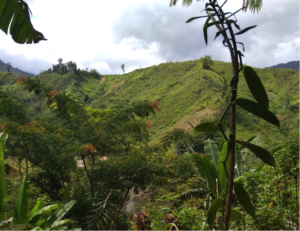
Vanilla vine supported on tree in agroforestry system.
Through the 2018 TAAF MSc grant, Fiacha O’Dowda, a student in Anthropology at UCL, attempted to understand the many local uses of fallow lands in the cycle of slash and burn hill rice cultivation known as tavy, a customary form of land use frequently described as the main historical and contemporary driver of forest loss in Madagascar. Fiacha’s research sought to understand under what conditions fallow land might be abandoned and allowed to return to dense forest cover, and thus whether a correctly managed practice oftavymight constitute a sustainable form of land use.
The major topic of concern, reflected in Fiacha’s local surveys and interviews, was the current boom in vanilla price, and the subsequent increase in vanilla planting across the region. His research showed that the lucrative vanilla price was not only having significant effects on local practices of consumption and rapidly reconfiguring local economies, but is also reconstituting agrarian practices and forest ecology. Fallow land is being removed from systems of subsistence cultivation and planted with vanilla, forest is being cleared directly for vanilla plantation, and many farmers no longer plant a subsistence rice crop, preferring to buy their rice with vanilla cash. In addition, increasing wealth is driving local deforestation, as more people can afford to buy chainsaws, and more local residents can commission the construction of bigger houses from local forest timbers. Many people still grow their vanilla in sophisticated agroforestry gardens, but the intensification driven by international demand is ensuring that these gardens are a diminishing proportion.
These insights demonstrate the intimate connection between local forest ecologies and international consumers, showing that forest loss is not simply a result of subsistence practices. It highlights the potential for sudden and shocking change in local livelihoods and ecology, in tandem with the volatility of international markets.
James Giles. Climate Policy and Agriculture in Vietnam: obstacles to a climate-ready policy framework
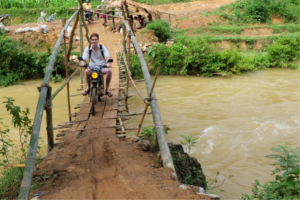
James enjoying a moto ride in the countryside of
Vietnam.
In collaboration with the International Centre of Tropical Agriculture (CIAT), Imperial College MSc James Giles, supported by the TAAF MSc Award, travelled to Viet Nam to explore how robust policy can be used to overcome the profound challenges posed by climate change in the agricultural sector.
As one of the countries deemed to be most adversely affected, Viet Nam must juggle the competing demands of adaptation to ensure food security, mitigation to meet nationally and internationally agreed emissions reduction targets, whilst continuing to pursue poverty reduction measures for the rural poor. Responding to such challenges is complex and plagued with barriers. If not addressed, constraints of governance and the current policy framework may act to frustrate Viet Nam’s response.
James set out to identify the barriers currently faced. The aim of his research was that through understanding the current barriers, steps can be taken to overcome them, creating an effective enabling environment for future climate policy.
Institutional barriers such as ‘finance’, ‘inter-Ministry collaboration’, ‘enforcement’ and ‘information sharing’ were found to be more detrimental than those at a farm level, namely ‘finance’, ‘habit’ and ‘technical capacity’. Policy is created by central Government in ‘silos’, with non-lead Ministries, Provinces and non-Government actors under represented. Budget consideration and implementation planning was also found to be limited. The top down approach to policy making is misaligned with the recent move towards decentralisation, creating a disconnect between national and local policy objectives. The contrast between the rigid ministerial structure and cross cutting nature of climate change created overlaps and policy inflation, swamping local authorities. Non-Government actors lacked a platform to engage in the policy process, despite the increased role of development partners and climate finance in guiding the policy direction.
The study identified a number of intervention points through which improvements could be made for future climate policy. These include: a more holistic approach to donor engagement, improved systems for data and information sharing, a more inclusive policy drafting process, implementation and budget planning at all stages of the policy process and improved monitoring and evaluation.
“The TAAF award allowed me to spend the duration of my thesis term (3.5 months) in Hanoi, fully immersing myself in the workings of Viet Nam. Through this I was exposed to areas that were key to my project whilst also gaining further experience working with CIAT. This not only allowed me to meet with and interview key stakeholders, which was critical to the project’s success, but it also allowed me to attend conferences and explore the rural areas of Viet Nam on which my study was based. I am extremely grateful to the TAAF for making this experience possible: it has resulted in my being offered a position to stay in Vietnam and to continue my work with CIAT.”


