TAA International Conference 2025
The Tropical Agriculture Association International (TAAI) is organising a conference on the Development and Use of Biological Agents and Extracts in Tropical Agricultural Systems. This conference will be held on the 4th and 5th November 2025 at Rothamsted Research, UK. (See map).
The conference will address key issues in the research, development and use of biologicals in 1) soil and nutritive amendments and 2) plant protection, reviewing and drawing lessons from real-life experiences on:
- Best practice in prospecting, identifying and developing biological agents and extracts;
- Challenges and requirements for developing products through to market and use;
- Future opportunities and implications for the development of different sectors;
Conference presentations will be used to stimulate discussions and share experiences to explore the breadth and potential of biologicals, and key issues in their deployment in the tropical agricultural systems of Latin America, Africa and Asia. Together, these will provide valuable insights into the practical realities of developing biologicals and how these processes can be further improved and taken up more widely.
The Conference will be of value to those working in agricultural development, research, industry, farmers/users, policy makers, regulators and students.
The Conference will be a hybrid event with both in-person and online (Teams) participation possible. Registration fees are very competitive, with discounts for TAAI members, participants aged under 40, or citizens of developing countries.
There are ticket options for attending in-person on both days, or just a single day. Tickets for online participation cover both days.
For in-person participants the registration fee will include lunches, teas and coffees and, for those attending both days, the Conference Dinner (Tuesday pm); and a tour of Rothamsted.
Papers and posters presented at the Conference will be published in a special follow-up edition of TAAI’s open-access journal: Agriculture for Development.
The conference will start at 11am on the 4th November and close at 1600 on the 5th (BST).
In the video clip below, Dr Mark Holderness, an expert adviser in agri-food research & innovation for development, former Executive Secretary of GFAR and a TAAI member provides the important background to the conference.
Certificates of Attendance

A certificate of attendance will be available to anybody participating in the conference either in-person on online.
This may be of particular interest to students or anybody seeking evidence of professional development.
Certificates will be issued after the conference on request to members@taa-international.org.
Posters

Posters presented at the Conference will be published in a special follow-up edition of TAAI’s open-access journal: Agriculture for Development. There will be an award (£200) named in memory of David Grzywacz for the best poster on display at the Conference, judged by a panel of experts in the field.
To register your poster, please complete the registration form here and send this by Monday 27th October to:
As per the registration form, please confirm you will send through the A4 pdf version to the gen-sec@taa-international.org by cop Thursday 30th October and indicate how you will get the AO poster to Rothamsted either by post direct to Krista Friis c/o Rothamsted Research, West Common, Harpenden, AL5 2JQ or in-person when you attend the Conference. These details on the form are important so that we can ensure we can plan and there is adequate space to display your poster at the event.
We appreciate that it may not be possible for everyone to provide an A0 format print of your poster, especially if you are overseas. While this large format enables prominent display at the conference venue, which in turn promotes discussion, posters will be judged on the basis of the A4 PDF submissions. If you cannot provide an A0 poster, we will print off an A3 size copy of your A4 PDF and display it alongside the other posters.
The award for the best poster will be presented on Wednesday 5th November after a talk by Professor Phil Stevenson, The Royal Botanic Gardens, Kew & Natural Resources Institute, University of Greenwich who worked closely with David Grzywacz on many research initiatives.
Registration
All registration details for the conference may found on the Ticket Tailor website.
Conference Location
Conference Programme
Tuesday 4th November
| Time | Title | Speaker |
|---|---|---|
| 10:30-11:00 | Registration and refreshments | |
| Introduction and context | ||
| 11:00- 11:10 | Welcome from Tropical Agriculture Association International | Paul Harding, TAAI |
| 11:10- 11:20 | Welcome from Rothamsted Research | Martin Broadley, Rothamsted Research |
| 11:20-11:25 | Conference context | Andy Ward, Croplife International |
| 11.25-11.30 | Biologicals in Agricultural Development | Geoff Hawtin |
| 11:30-12:00 | Biologicals – An overview | Rob Reeder, CABI |
| 12:00 -12:30 | Biologicals – The commercial reality | Jonathan Shoham, SP Global |
| 12:30-13:30 | Lunch Break | |
| Challenges in prospecting and testing/developing suitable agents | ||
| 13:30-14:00 | Bioprospecting Keynote | Harry Evans, CABI |
| 14:00-14:30 | The Aflasafe story | Alejandro Ortega-Beltran, IITA |
| 14:30-15:00 | The Metarhizium story | Henry Wainwright, Real IPM |
| 15:00-15:30 | Tea Break | |
| Registration of biologicals | ||
| Introduction of panel | ||
| 15:30-16:45 | Panel presentations and discussion | Stella Simiyu, CropLife Africa Middle East – Registration in Africa
Augustus Thomas, University of West Indies – Commercialisation of Baccillus species for soft rot control |
| 16:45-17:00 | Key points from the day | Moderator |
| Field tour of Rothamsted Research | ||
| Conference dinner at The Manor |
Wednesday 5th November
| Time | Title | Speaker |
|---|---|---|
| Taking biologicals through to field use | ||
| 09:00- 09:15 | Introduction | Andy Ward, CropLife International |
| 09:15-09:45 | Keynote: Deployment of Biologicals | Ken Giller, University of Wageningen |
| 09:45-11:15 | Panel presentations and discussion | Atthawit Watcharapongchai, GIZ – Experience in Thailand
Jade Bortoletto, Koppert Brazil – The Brazil experience Mike Birkett, Rothamsted Research – Biological applications in the UK Alan Bullion – The Sri Lanka experience |
| 11:15-11:30 | Coffee break | |
| Registration and scaling-up productioin | ||
| 11:30 – 12:30 | The Green Muscle experience
Farmer use of biologicals Biologicals, Plant Health and One Health | Belinda Luke , CABI
Aline Vick, Global Farmers Network Elizabeth Warham and Julian Smith |
| 12:30-13:00 | “Going viral with Dave G” – Award of poster prize | Phil Stevenson, Kew Gardens |
| 13:00-14:00 | Lunch break | |
| Biologicals: The broader perspective | ||
| 14:00-14: 30 | Fall Armyworm management | John Caulfield, Rothamsted Research |
| 14:30-15:00 | Stewardship of biologicals and their inclusion in IPM | Keith Jones, CropLife International |
| 15.00-15.20 | Beyond the hype: A checklist to develop a locally-led, agroecologically-rooted biopesticide sector | Mélanie Surchat, Biovision |
| 15:20-15:40 | Discussions | |
| 15:40-15:50 | Key conclusions | Andy Ward, CropLife International |
| 15:50-16:00 | Final remarks | Paul Harding, TAAI |
| 16:00 | Refreshments
Option of a tour of Rothamsted Research Departure |
Speaker Biographies
Dr Alan Bullion

Alan Bullion has worked for the past 50 years in publishing. journalism, and academia. He has been employed by Hodder & Stoughton, the New Statesman magazine, the Open University, Agra Europe, Informa, IHS Markit, and latterly S&P Global, from which he recently retired, where he was publisher of agribusiness and crop protection special reports, including several on biologicals markets and regulations.
He was also co-author of a report on Gene Editing, specialising in markets and regulation. Alan wrote his PhD thesis on conflict resolution in Sri Lanka at Southampton and Colombo, which was published by Bloomsbury.
https://eprints.soton.ac.uk/462781/
Alan is also a town councillor in Southborough & High Brooms, Tunbridge Wells, and co-convenor of the Labour Food Security Forum.
Dr Alejandro Ortega-Beltran
Alejandro Ortega-Beltran is a Senior Plant Pathologist and Head of the Pathology and Mycotoxin/Aflasafe Unit at the International Institute of Tropical Agriculture (IITA; HQ in Nigeria). He earned his BSc in Biotechnological Engineering from the Instituto Tecnológico de Sonora (Mexico) and a PhD in Plant Pathology from The University of Arizona (USA). He was a postdoctoral scientist at the University of California, Davis.
His current work focuses on developing, testing, registering, and scaling aflatoxin biocontrol technologies across Africa, helping farmers produce safer crops, improving food safety, health, and trade outcomes. He also collaborates with maize, cowpea, soybean, and banana breeders to develop disease-resistant cultivars and promotes capacity-building by training technicians, scientists, students, and regulators across Africa, the Americas, Europe, and Asia.
Aline Vick
Aline Vick is a second generation Brazilian farmer committed to regenerative agriculture. She holds a degree in economics, is currently pursuing a postgraduate course in Plant Nutrition and Physiology and is a member of the Global Farmers Network.
Managing 1,200 hectares at Estância farm in Brazil, Aline integrates regenerative practices and innovative technologies to enhance soil health and efficiency in farming. She is also an advocate for sharing regenerative practices with other farmers, dreaming with a future with a more sustainable agriculture.
Dr Andrew Ward
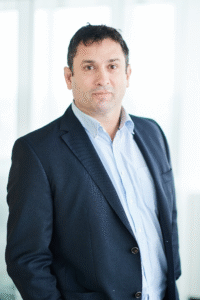
Supporting farmers so that they are empowered to implement best agricultural practices is the key theme throughout Andrew’s 30-year career. This career has been spent in both the public and private sector with working to promote biologicals, particularly biopesticides, a re-occurring theme. This began with his management of research into and promotion of biopesticides for crop protection under the then DFID Crop Protection Programme and has continued through to his current work which includes promoting stewardship of biologicals for CropLife International. He is particularly interested in how behaviour sciences can be used to help support farmers implement best practices.
Previous to joining CropLife International Andrew worked for over twenty years in international agricultural research and development. He began his post university career with the UK government funded Crop Protection and Research into Use programs.
These focused on developing agricultural research outputs and delivering them to small-scale farmers in low- and middle-income countries. In 2011 he joined the CGIAR and worked in their coordination offices in Montpellier (France) and a systems-based research program based in Lusaka (Zambia).
Andrew holds a PhD in Crop Protection from the University of East Anglia based on three years’ fieldwork in Nigeria, co-supervised through Rothamsted Research. Andrew is Stewardship Director at CropLife International, based in their head office in Brussels, Belgium.
Dr Atthawit Watcharapongchai
Atthawit Watcharapongchai, as head of field implementation of GIZ Agriculture Thailand, has more than 10 years of experience in promoting sustainable and climate smart landscape rice farming in Thailand, which includes Integrated Pest Management (IPM) as one of the key gtechnologies to improve the resilience of farmers under the climate change and current situation.
He is leading several climate smart farming, regenerative farming and landscape management projects, which are in collaboragtion with public and private sectors.
He holds a bachelor’s degree in Industrial Engineering, a master’s degree in Business Administration (finance major) and a PhD in Agricultural Extension.
Talk Abstract
Farmers in the northern part of Thailand, who grew corn, potato and rice as crop rotation faced pest and disease issues, resulting in lower yield and unsatisfactory income. The pest and disease issues are getting more severe due to climate change.
Without a proper knowledge transfer, farmers did not adopt or apply any Integrated Pest Management (IPM) into their farms and faced difficulty in their farming. The IPM landscape management project, in collabroation with CropLife and GIZ Agriculture Thailand has introduced IPM knowledge to farmers. The adoption of this technology has increased 10 times from a 5% adoption baseline to 50% adoption after 1 year of training. The yield is increased. The total net income is increased and the happiness of farmers and their families is also increased.
Dr Augustus Thomas
Augustus Thomas is an Assistant Lecturer at the University of the West Indies (UWI), specializing in Plant Pathology. He holds a Bachelor of Science (Honours) in General Agriculture and a Master of Science in Tropical Crop Protection, with a focus on Plant Pathology, both from UWI. He recently completed his Doctor of Philosophy (Ph.D.) in Crop Science, also specializing in Plant Pathology.
Mr Thomas’s doctoral research focused on the isolation and characterization of beneficial soil bacteria from diverse ecological zones across Trinidad and Tobago. Through a series of in-vitro and in-vivo experiments, he identified a highly effective microbial isolate capable of suppressing a broad range of pathogenic bacteria and fungi. His research demonstrated that the antagonistic activity of the micro-organism was attributed to the production of lipopeptide compounds. This breakthrough led to the development of a biological formulation that significantly reduced disease severity in vegetable crops by 70% in lettuce, and increased crop yield by 30%.
Mr Thomas has served as a key investigator in several major research initiatives aimed at reducing dependence on highly hazardous pesticides (HHPs) through the development of safer, biologically based alternatives. Notable projects include:
- UWI-TT RDI Fund: Promoting Agriculturally Important Microorganisms to Address the Challenges in Food Safety and Food Security in the Caribbean (AIMs Project) (2015–2018)
- FAO Project GCP/SLC/204/GFF: Disposal of Obsolete Pesticides Including Persistent Organic Pollutants (POPs), Promotion of Alternatives, and Strengthening Pesticide Management in the Caribbean (2018–2022)
- UWI-TT RDI Fund: Development of Biopesticides and Innovative Biomolecules for Environmentally Friendly Plant Health Management (2021–2024)
Mr Thomas has published in peer-reviewed journals on biological control agents and alternative pest management strategies, including:
- Saravanakumar, D., Thomas, A., and Banwarie, N. (2019). Antagonistic potential of lipopeptide-producing Bacillus amyloliquefaciens against major vegetable pathogens. European Journal of Plant Pathology, 1–17. (Impact Factor: 2.0)
- Khan, F., Khan, A., Saravanakumar, D., and Thomas, A. (2025). In-vitro compatibility of Isaria fumosorosea from Bemisia tabaci with four commonly used fungicides in vegetable production. Tropical Agriculture, 102(2), 225–238.
With a strong focus on sustainable agriculture and food security, Mr. Thomas continues to explore innovative biological solutions to reduce pesticide reliance and enhance crop resilience in the Caribbean.
Dr Belinda Luke
Dr. Belinda Luke has worked for CABI in the Biopesticides Team for 29 years. Her expertise is in developing mycoinsecticides from isolate discovery, initial screening, mass production, formulation and shelf-life studies, quality control and field trails.
Dr Luke worked on the LUBILOSA project for over 10 years primarily on mass production and helped develop an oil-miscible concentrate formulation.
Today Dr Luke is the Global Team Leader for Augmentative Biocontrol for the PlantwisePlus programme within CABI delivering biocontrol to developing countries.
Talk Abstract
Traditionally, chemical pesticides have been the main control mechanism for desert locusts particularly in outbreak periods. In 1989, in response to environmental concerns over heavy use of chemical insecticides in the 1986-1989 locust plagues, the donor community funded the LUBILOSA (“LUtte BIologique contre les LOcustes et SAuteriaux” – biological control of locusts and grasshoppers) project.
The project developed a bioprotection product based on the use of a beneficial micro-organism, Metarhizium acridum. The project ran for 13 years’ and the resulting product Green Muscle® is available commercially.
The presentation talks about the journey from discovery to commercialisation and lessons learned along the way.
Dr Harry Evans

Over 55 years of experience in plant disease identification and management in tropical agriculture – in particular, in tree crops, notably cacao and coffee in both Africa and the Americas – and in forestry (diseases of tropical pines in Central America).
During the past 40 years, specialising in the use of fungi for the classical biological control of invasive alien weeds, pests and plant diseases. Over 250 peer-reviewed scientific papers published on mycology, plant and insect pathology, including a standard reference book on entomopathogenic fungi.
Talk Abstract
In a rapidly-changing world there is an urgent need for more innovative approaches to improve agriculture, especially in the tropics. Globalisation has meant burgeoning trade and travel between nations, facilitating the movement of alien species and the arrival of new crop pests, diseases and weeds; resulting in unparalleled biological invasions. Hence, there is an increasing need for classical biological control (CBC) as a management strategy.
Bioprospecting for co-evolved fungi for the control of invasive alien weeds and plant diseases is discussed in relation to past and on-going CBC projects. Using beneficial fungi (mycoparasites), as well as co-evolved endophytes, as a CBC strategy for invasive alien crop diseases is still in its infancy and an on-going project targeting coffee leaf rust (Hemileia vastatrix) is showcased.
It is posited that the future of agriculture in the tropics will be reliant on the use of co-evolved fungal endophytes conferring a multitude of benefits to their crop hosts.
Henry Wainwright
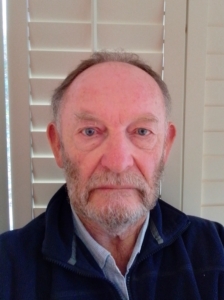
Henry is a graduate of Nottingham University and Bath University and was a lecturer at Writtle College and Bath University. He was also worked at ODNRI (now NRI) for seven years.
In 2000 Henry and his wife, Louise, moved to Kenya, initially working for a production and export horticultural company before establishing their own biological control business “The Real IPM Company” in 2003.
On founding Real IPM from scratch, strategic alliances were necessary and Real IPM collaborated with organisations such as ICIPE, Syngenta Bioline and CABI. Similarly promoting IPM/biocontrol in the smallholder sector the support of donors such as DFID, USAID and the EU was critical.
Through the collaboration with ICIPE and CABI the commercialisation of various strains of Metarhizium anisopliae was possible where they are now important and widely used biocontrol agents in the horticulture sector in Africa.
Dr Jonathan Shoham
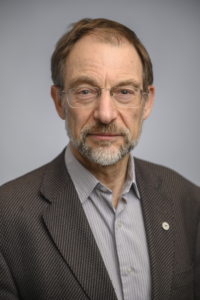
Having obtained a BSc in Chemical Physics, an MBA and a PhD in Environmental Economics, I worked for Syngenta and legacy companies in a variety of technical and commercial roles for 32 years, latterly as Head of Business Intelligence.
For the last 14 years I have worked as a consultant for clients in the public, private, academic and NGO sectors on a range of projects spanning the agricultural supply chain. During this time, I have authored over 20 published papers and reports, most recently on the ‘hot topics’ of biologicals and digital farming.
In my current role as Consulting Analyst for S&P Global I have returned to my crop protection and seeds roots, diving ever deeper into both subjects, whilst also diversifying into biological products and remaining at the forefront of developments in agricultural sustainability, thereby closing the loop with my origins as an environmental economist.
Dr Julian Smith
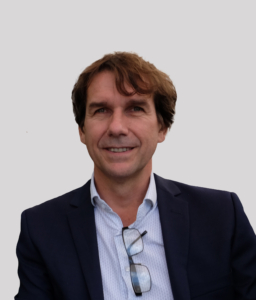
Julian has a career in plant health and external affairs, focused on national biosecurity, crop protection and seed systems. In joining Rothamsted in 2021, he provides leadership on science strategy, alongside engagement with UK and overseas governments, academia, foundations and industry. Alongside his role as a Science Director, Julian is also a Director of Rothamsted Scientific Services Ltd, the commercial arm of Rothamsted Research.
In obtaining a degree (Agri Bot) and PhD (Rhizobia on faba beans) at Aberystwyth University, Julian joined CAB International (CABI) in 1992, before moving to Fera Science Ltd (then Central Science Laboratory) in 2005.
Julian’s career has increasingly focused on plant pest risk assessment and biosecurity, and capacity strengthening of African nations. He has worked extensively on Banana Xanthomonas Wilt, Cassava Brown Streak Disease, Cassava Mosaic Disease and Maize Lethal Necrosis.
Keith Jones

Keith Jones has more than 45 years experience in Sustainable Agriculture, Integrated Pest Management and Biological Control, mainly focussed on agriculture in Africa, Asia and Latin America.
Keith started his career at what is now the Natural Resources Institute, where he focused on the development of insect baculoviruses for pest management. This included the formulation and field testing of baculoviruses, as well as establishment of local production, in Egypt, Kenya and Thailand. He also was part of a team that advised on the integration of biological and chemical control on cotton in Uzbekistan, including the renovation of unit mass producing predators and parasitoids.
Following this, he joined CropLife International, as Director of Stewardship and Sustainable Agriculture, a major focus of his work being promotion of IPM strategies, this included major collaborations in Vietnam and Thailand on Rice IPM and on field crops in India. He is now a consultant, advising on IPM, Biocontrol and responsible use of pesticides. His clients have included CropLife International, UNEP, IFC, IDH and the Better Cotton Initiative. He was also the Chair of the Board of the Sustainable Rice Platform from 2021 to 2024.
Prof Ken Giller

Ken Giller, Professor Emeritus at Wageningen University, has been at the forefront of research in plant production and soil fertility for over 30 years. He has worked extensively in tropical regions of South and South-east Asia, Latin America and Africa, but his focus for the past 25 years has been on smallholder farming systems in sub-Saharan Africa. He is the author of five books and has had more than 480 papers published in peer-reviewed, international journals. He is a highly-cited researcher (among the top 1% worldwide) since 2016. At the same time, he is always keen to visit farmers in situ and learn from their own unique experiences.
Professor Giller has supervised over 100 students for PhD degrees, over half being from Lower- and Middle-Income Countries many from Africa, as well as numerous students for MSc and MPhil research theses. He has designed and coordinated MSc programmes and designed and directed short courses. Most recently he led the N2Africa programme for Bill & Melinda Gates Foundation as an advocate for legume integration in African cropping systems.
Ken has been a leader in understanding how biophysical heterogeneity both within farms and at a landscape scale affects crop performance and the implications of this for targeting recommendations. He is not afraid to challenge conventional wisdom and prescribed solutions given the complexities of the natural, socio-economic and political environments in which smallholder farmers live. He challenges dogma in science when he sees it and encourages scientists to communicate in simple and clear ways.
Ken’s advice, direction and external review have been sort by national and international organisations (public and private) including most recently as a Member of the Scientific Advisory Committee of the African Plant Nutrition Institute, Gatsby Africa, and Bill & Melinda Gates Foundation. He is an editor of Global Food Security and a member of the Editorial Board of Outlook on Agriculture.
Dr Paul Harding
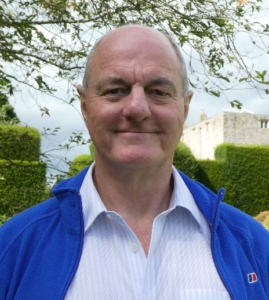
An environmental scientist by training, Paul worked as a soil surveyor/land use planner in Sumatra and on soil conservation in Malawi.
During 10 years in Papua New Guinea, he helped to establish the PNG Coffee Research Institute, where he then worked on soil fertility and coffee nutrition.
On completion of a PhD, he became the Director of Lumle Agriculture Centre in Nepal, a Senior Research Adviser in DFID and the EC, and Assistant Director General of Bioversity International in Rome.
On retirement, Paul divided his time between consultancy work for IFAD, FAO and the World Bank, and being Editor-in-Chief of Ag4Dev from 2012 to 2019. He is currently the Chairman of TAAI.
Stella Simiyu
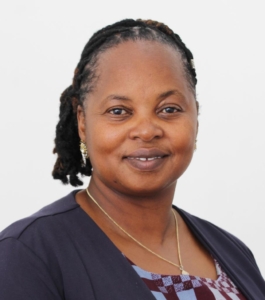
Stella Simiyu is an experienced leader in regulatory policy and government engagement within African agricultural development, currently serving as Director of Regulatory Affairs, & Stakeholder Engagement at CropLife Africa Middle East (CL AME). She specializes in building strategic partnerships, policy analysis, and program delivery, representing CL AME at global and regional forums and collaborating with Regional Economic Communities.
Previously, Stella was a Program Officer at the African Agricultural Technology Foundation, where she supported regulatory pathways for innovations like GM crops and bio-fertilisers. Stella holds an MPS from SARIPS, a B.A. in Political Science from the University of Nairobi, and a postgraduate degree in Biosafety in Plant Biotechnology from Ghent University.
She is pursuing a PhD in Agri Systems at the Catholic University of the Sacred Heart, Italy, working on the topic of development and commercialisation of biological crop protection products in Africa Middle East and has published in journals including Frontiers in Sustainable Food Systems and Transgenic Research.
Hotel Accommodation
Below is a selection of hotels within 30 minutes drive of Rothamsted. No recommendations are implied, but they are all well-known establishments. Links to their websites are provided so you can decide on their suitability for your needs. An online search will provide other options e.g hotels, B&B. TAAI will have no involvement in any accommodation arrangements you choose to make or their costs.
Aubrey Park
8 minutes
Hemel Hempstead Rd, Redbourn, St Albans, AL3 7AF
Website
Premier Inn Luton South (M1, J9)
9 minutes
London Road, St Albans, Herts, AL3 8HT
Website
Holiday Inn Hemel Hempstead (M1, J8)
15 minutes
Breakspear Way, Hemel Hempstead, HP2 4UA
Website
Premier Inn Dunstable South
15 minutes
Watling Street, Kensworth, Dunstable, LU6 3QP
Website
Holiday Inn Express Dunstable
16 minutes
London Rd, Caddington, Dunstable, LU6 3DX
Website
Courtyard by Marriot, Luton Airport
20 minutes
Airport Way, Luton, LU2 9LF
Website
Holiday Inn Luton Airport
20 minutes
London Luton Airport, Airport Way London, Luton, LU2 9LF
Website
Hotel Ibis Luton Airport
20 minutes
Spittlesea Rd, Luton, LU2 9NZ
Website
Holiday Inn Express Luton Airport
20 minutes
2 Percival Way, London LU2, 9GP
Website
Questions
If you have any questions regarding the conference, in the first instance please contact the TAAI Membership Secretary at: